Cooling Tower
Fluids used for cooling in HVAC systems, refineries, petrochemical plants, power generation facilities, and other industrial processes become heated as they circulate. A cooling tower reduces the temperature of these fluids by transferring the absorbed heat to the atmosphere.
In HVAC systems, cooling towers are used to reject unwanted heat from chillers. The most common issues encountered with cooling towers include corrosion of internal components, biological growth such as algae and bacteria, and scale formation in various parts of the tower.
Cooling Tower Components
Casing: The casing is made of 2‑mm thick galvanized steel sheets, assembled with bolted connections. Rubber sealing strips are used for watertightness. All components are detachable for ease of repair and on‑site installation.
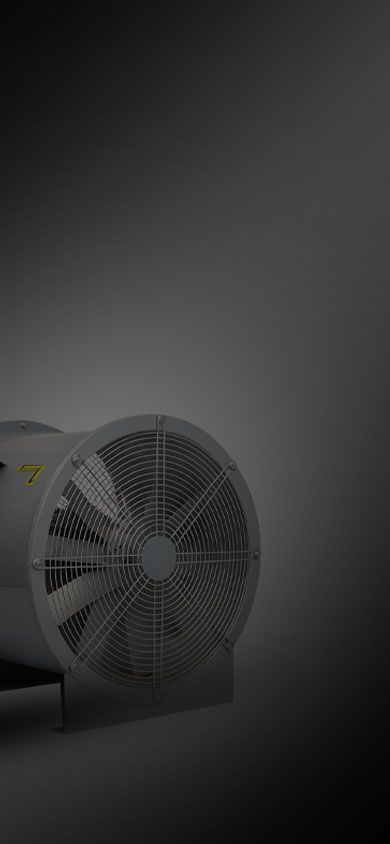
Fan: Fans play a critical role in drawing air through the tower for fluid cooling. All fan motors are designed in accordance with UL standards and are specifically engineered for operation in wet environments.
Fill (Packing): To increase the heat transfer surface area between water and air, water is distributed over these fill sheets. The fill also reduces water flow velocity to improve cooling efficiency. These grid‑like sheets are available in two types: splash fill and film fill.
Cold Water Basin: The lower section of the tower features a basin where cooled water collects before being returned to the cooling system.
Drift Eliminators: These angled baffle plates are used to prevent water droplets from being carried out of the tower and into the surrounding environment.
Types of Cooling Towers
Counterflow Cooling Tower:
In this type of tower, the fan is typically of the propeller type and is mounted at the top. Incoming water is distributed from above over cooling fill—either wooden splash bars arranged at regular intervals or plastic honeycomb‑type packing. Air moves upward in the opposite direction to the water flow. The negative pressure created inside the tower, combined with the increased water‑air contact surface provided by the fill, promotes evaporation and cooling of the water.
Crossflow Cooling Tower:
In this design, air is drawn horizontally through the tower—often by a fan located at the side or bottom—and comes into crossflow contact with water distributed from above. Crossflow towers are typically constructed of metal and are manufactured in smaller capacities compared to counterflow towers. In this type, the evaporation process occurs at pressures slightly above atmospheric.
Cooling Tower Installation Location
The cooling tower must be installed in a location free from obstructions that could restrict the entry of fresh air. When multiple towers are placed side by side, care must be taken to ensure that the hot discharge air from one tower is not drawn directly into another, as this would reduce efficiency and overall performance.
If the cooling tower can be installed outdoors with unrestricted airflow, achieving optimal performance is generally straightforward. However, if the tower must be installed indoors or enclosed between walls, the following considerations should be addressed:
Sufficient clear space must be provided around the tower to allow adequate air intake.
The hot exhaust air must be discharged in a manner that prevents recirculation back into the tower. Recirculating warm air increases the wet‑bulb temperature of the incoming air, resulting in warmer water leaving the tower.
Recirculation becomes a particular concern when multiple towers are installed in close proximity. The final installation location also depends on factors such as structural load capacity of the support surface, additional reinforcement requirements, associated costs, and architectural constraints of the building.
related product
related projects