The Definitive Guide to Air Handling Units (AHUs)
How an Air Handling Unit Works
At its core, an air handler is designed to manage a continuous cycle of air circulation. Rather than simply recirculating the same indoor air repeatedly, an AHU continuously blends stale indoor air with fresh outdoor air.
The journey begins in the mixing chamber. Motorized dampers adjust the balance between fresh outside air and return air drawn from inside the building. On pleasant, mild days, modern systems can take advantage of free cooling by pulling in up to one hundred percent fresh outdoor air, drastically reducing the workload on mechanical cooling systems.
Once blended, the air moves through specialized filtration stages that strip away dust, pollen, and airborne contaminants. From there, the clean air passes over heavy-duty heat exchanger coils. In the summer, cold water or expanding refrigerant flows through these coils to drop the air temperature and wring out excess humidity. In the winter, hot water, steam, or electric elements warm the airstream to a comfortable delivery temperature.
Before the air leaves the unit, automated humidifiers can inject fine mist or pure steam to counteract dry winter conditions. Finally, high-powered fans pressurize the treated air and send it through extensive ductwork to reach occupants across every floor.
The Anatomy of an AHU: Essential Components
An air handler is essentially a modular, insulated metal housing packed with high-performance components designed to work in perfect synchronization.
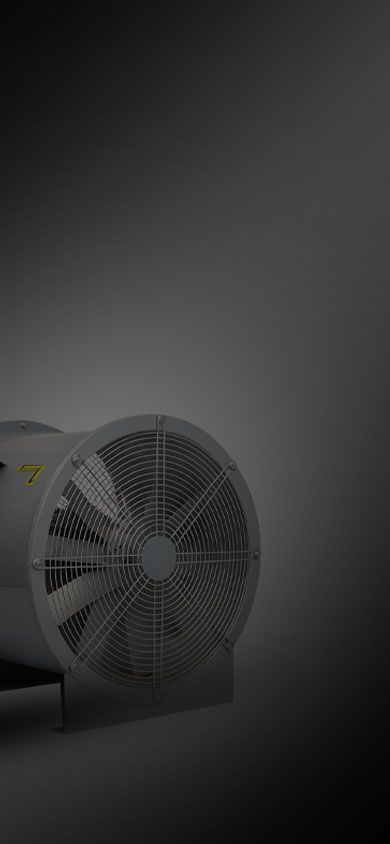
The fan assembly acts as the muscle of the system. In older units, massive belt-driven centrifugal fans were the standard. Modern facilities, however, increasingly rely on direct-drive plug fans driven by electronically commutated motors. Many advanced systems now use fan walls—grids of multiple smaller, synchronized fans that save energy and guarantee the building stays ventilated even if a single motor fails.
Filtration occurs in layers to balance air purity with energy efficiency. Coarse pre-filters capture larger debris like hair, lint, and sand, shielding delicate downstream components from fouling. Downstream, dense secondary bag or cartridge filters trap fine microscopic dust and allergens. In critical settings like hospitals and cleanrooms, terminal HEPA filters eliminate microscopic bacteria and viruses. Differential pressure sensors constantly measure resistance across each filter bank, alerting facility teams the moment a filter becomes clogged.
Thermal coils do the heavy lifting when it comes to temperature. Constructed from durable copper tubes threaded through thousands of aluminum fins, these heat exchangers maximize surface contact with passing air. Cooling coils feature sloped drip pans underneath to collect condensed moisture, preventing mold formation inside the chassis.
Control systems tie all these elements together. Whether connected to a basic automated thermostat or a comprehensive building management system, smart sensors track airflow volume, carbon dioxide levels, duct pressure, and temperatures in real time to optimize comfort while driving down utility costs.
Why Air Handlers Are Essential for Modern Workplaces
Investing in robust air handling goes far beyond simple comfort. For commercial and industrial facilities, it is a matter of health, structural longevity, and operational efficiency.
Industrial environments produce airborne dust, heat, and chemical vapors that cannot simply be dispersed with an open window. A well-engineered air handler removes stagnant air, controls contaminant levels, and ensures compliance with strict workplace safety standards. By maintaining healthy indoor air quality, businesses significantly reduce employee absenteeism, improve cognitive performance, and boost overall productivity.
Moisture control is another critical safeguard. Well-insulated modern buildings can trap indoor humidity, creating an ideal breeding ground for mold and mildew. By actively stripping excess water vapor from the air during warmer months, air handlers protect expensive building infrastructure, drywall, and structural components from rot and premature deterioration.
Choosing the Right System: Sizing and Installation
Selecting the right air handler requires balancing several key engineering factors. Mechanical designers calculate the total thermal load of the structure, factoring in window placement, occupancy levels, lighting heat, and climate extremes. They also calculate the total static resistance of the duct layout to ensure the fans can push air to the furthest vent without straining.
Physical layout determines whether a horizontal or vertical unit configuration makes the most sense. Rooftop units are popular for warehouses, retail centers, and single-story commercial properties because they free up valuable indoor square footage. Multi-story office towers and hospitals typically rely on indoor mechanical rooms, which keep equipment sheltered from weather extremes and make routine maintenance easier for engineering staff.
An air handling unit represents a long-term investment in a property. By selecting high-efficiency motors, robust multi-stage filtration, and responsive automation controls, building owners ensure a comfortable, safe indoor environment that operates reliably for decades.
related projects